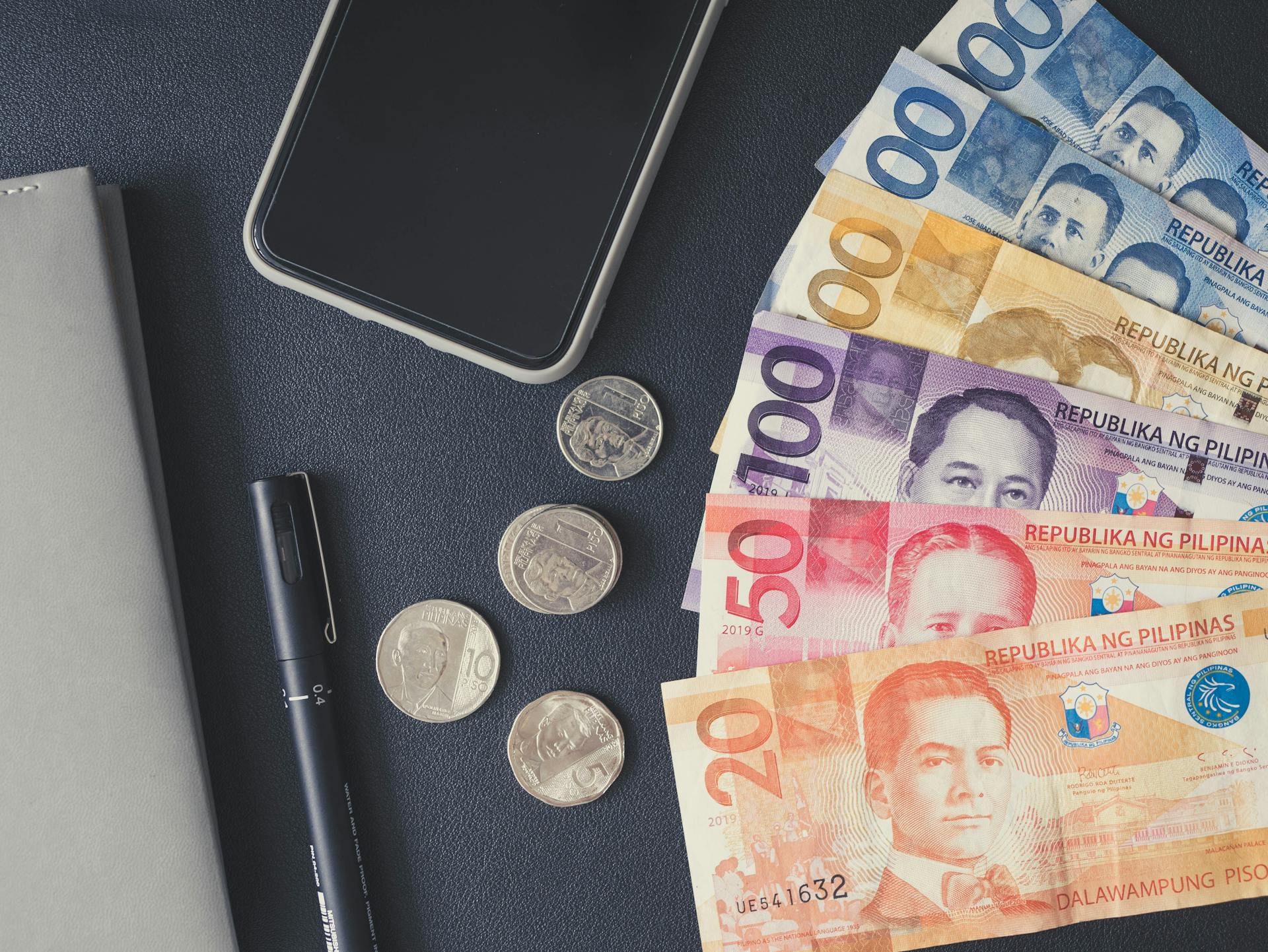
Understand how the socio-demographics, growth resilience, and evolving financial literacy in the Philippines are shaping its diverse and resilient economic landscape.
As we venture into 2024, it's both enlightening and crucial to reflect on the predictions made for the wealth management sector in early 2023. These forecasts not only shed light on past foresight but also serve as a compass to navigate the unfolding realities shaping the industry today.
This article explores the growing wealth of Philippines' citizens, the demand for broader financial services, and the current state of the country's wealth management sector. The article delves into demographic challenges, the evolving wealth landscape, key players in wealth management, and the rise of new digital platforms. It also introduces the WealthTech landscape, emphasising the need for customer-centric solutions, new investment products, and the importance of a risk-based approach in long-term wealth creation. Lastly, it discusses the significance of user experience design in driving successful financial technology companies and concludes with a glimpse into the future of digital wealth management in the Philippines, focusing on technology-driven personalised services and the potential for growth in the mass affluent segment.
Today, "crypto" is hardly understood as an investment instrument. Crypto is obviously not crypto, and the positions on what is valid sometimes diverge diametrically, even between proven authorities. This leads to great uncertainty among experts, and even more so among the general public. This article aims to shed some light through the fog onto crypto and help distinguish crypto-scam from crypto-value. It will show which cryptoassets and crypto tokens have intrinsic value and how this could be measured in the future using fundamental value analysis methods. The two largest and oldest cryptos, BTC (of the Bitcoin network) and ETH (of the Ethereum network), serve as reference points and examples.
Can ChatGPT teach financial literacy, suggest general investment advice, and help create diversified portfolios? Will replace creativity or decision-making in investing?
2022 was a bad year in wealth management, in fact one of the worst years in investment performance across most asset classes ever. But despite the extraordinary market conditions and macro-economic challenges, underlying gigatrends remained the same: demographics, the generational wealth transfer, and evolution of client expectation regarding products and services. In 2023, the combination of expectations and demands will continue to be demanding for wealth professionals; they will need to find ways to provide the holistic advice so in demand, Accordingly, pressure on traditional wealth managers and private banks continues. The need for transformation has become evident.
Die Energiekrise und Pandemie dämpfen die wirtschaftliche Entwicklung. Auf den Welt-Energiemärkten zeigt sich eines ganz klar: Wir werden mit hohen Energiepreisen leben müssen. Deshalb stellen sich Fragen wie: Wie wird sich die Wirtschaft entwickeln und welche Massnahmen zur Bekämpfung einer bevorstehenden Rezession gibt es?
Digital transformation is everywhere. What are the opportunities for women to influence digitization through change leadership?Jacky Lam wrote for Forbes in 2019: "Cryptocurrency and blockchain are becoming one of the biggest disruptive technologies in the world. As expected, the sector saw immense startup growth and investor interest. However, as we continue to see success in fundraising, ICOs (Initial Coin Offerings), and application growth in blockchain technology, it also reveals a worrying trend: women are not on the scene.
The institutionalisation of DeFi is progressing despite the depressed crypto markets. But is adopting DeFi concepts to CeFi systems with central governance the right approach? Regardless of the answer, applying DeFi-protocols to CeFi can help to innovate it. The institutionalisation of DeFi is driven by major international financial institutions and asset managers but also boutique size firms supported by regulators and industry associations.
A case in point is the huge potential in private market assets. Alternative investing platforms that open access to non-traditional assets for retail investors will have a transformative impact on both retail and institutional investing.
As part of the Green Deal, a central building block was presented in 2020: the EU Taxonomy Regulation. Since the beginning of 2022, the "Action Plan for Financing Sustainable Growth" has taken effect and also has implications for the health and social economy.
How can banks use the technical possibilities of digitization and adapt business models, services and "customer journeys"? There are a few elements that should be considered here.
Tokenization allows virtually any real-world asset to be represented on the Blockchain. By 2027, according to a WEF estimate, 10% of global GDP will be stored on the Blockchain, around USD 9.38 trillion. The central building block for the emergence of a token economy is tokenization. This article describes what it is all about and its partly disruptive significance.