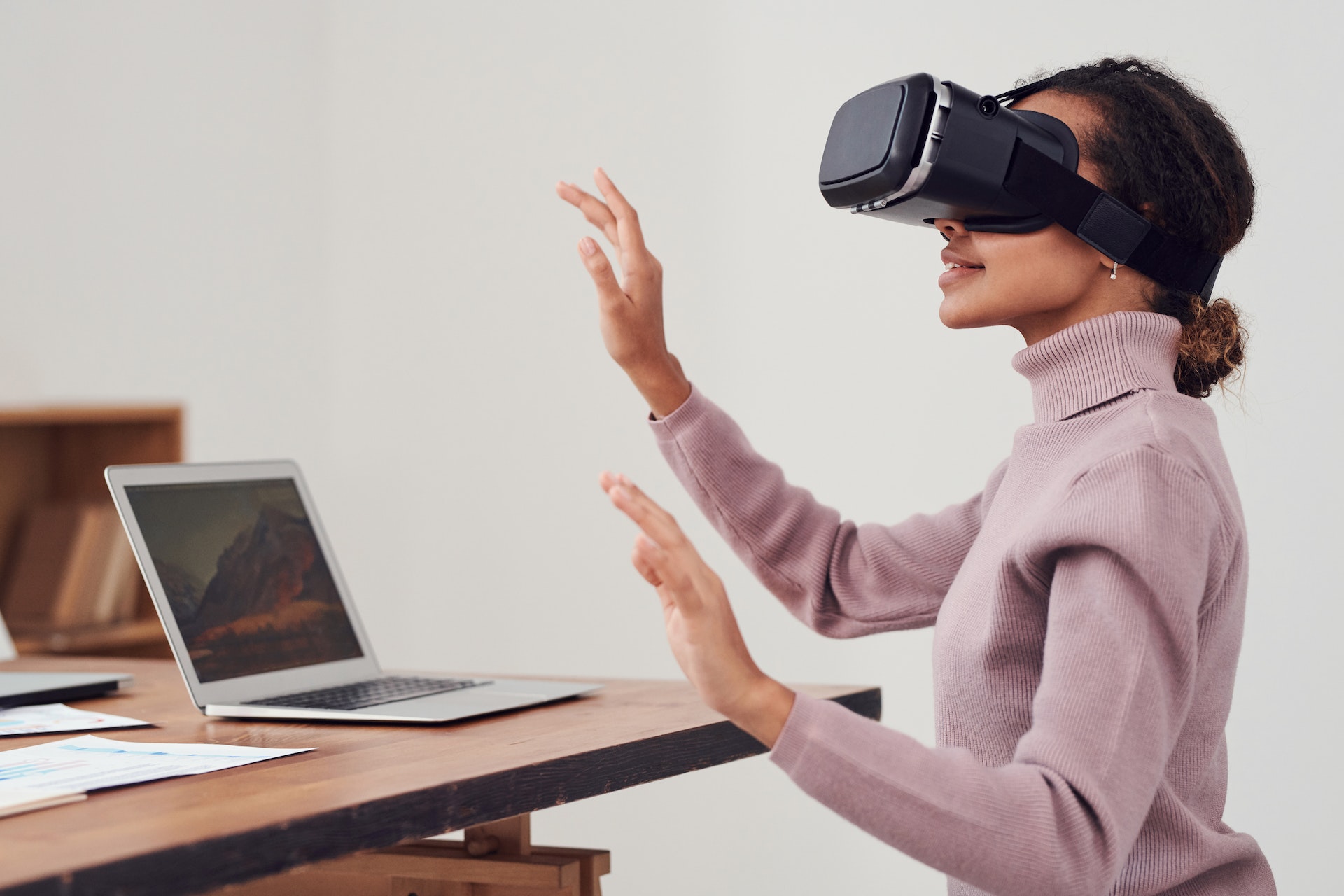
Understand the transformative power of the digital economy, its impact on business and society, and the future technologies that are reshaping our world.
Understand stagflation, its impact on the global economy and businesses, and the limited policy responses available to governments to combat stagflation and economic uncertainty.
Public Administration & Defense•Benjamin Talin••20 minutes
Read here how companies can adapt to the age of artificial intelligence and Business 5.0 to increase their innovative strength, efficiency and competitiveness.
Understand how the socio-demographics, growth resilience, and evolving financial literacy in the Philippines are shaping its diverse and resilient economic landscape.
The article highlights three key factors that will permanently change our reality. The effects on companies, society and our individual lives are not yet foreseeable, but we can already learn to deal with them and be better prepared for the future. A macabre example from economic history teaches us what can happen if we ignore these developments.
Swiss professionals are frontrunners when it comes to continuing professional development. Additional federal diplomas in various disciplines are diligently acquired at higher technical colleges. The dual education system is successful and unique worldwide. In addition, the level of continuing education is high. Will this soon be rewarded with well-deserved titles such as "Professional Bachelor" and "Professional Master"?
The future of work is not written, and still it's a big topic for policymakers around the world. This article explains the challenges, current limitations and possible future developments in the future of our work world. We need new ideas and built a better tomorrow.
Green Economy is a term that is not clearly defined but already being used by many organizations. What is Green Economy and why whould we start to build a top-down framework for a global economic revolution?
Today, one could say the IoT has successfully proliferated and by now it is almost the exception if there is still an industrial company out there that is not concerned about the Internet of Things (IoT). According to a recent Gartner survey, 75% of industrial companies had already invested in IoT projects by the end of 2018. Before 2018, the figure was <25%.
However if you ask around among the IoT managers of those companies, each of them has the feeling that they are "behind" and do not believe that they are making progress as fast as they should in order to remain competitive.