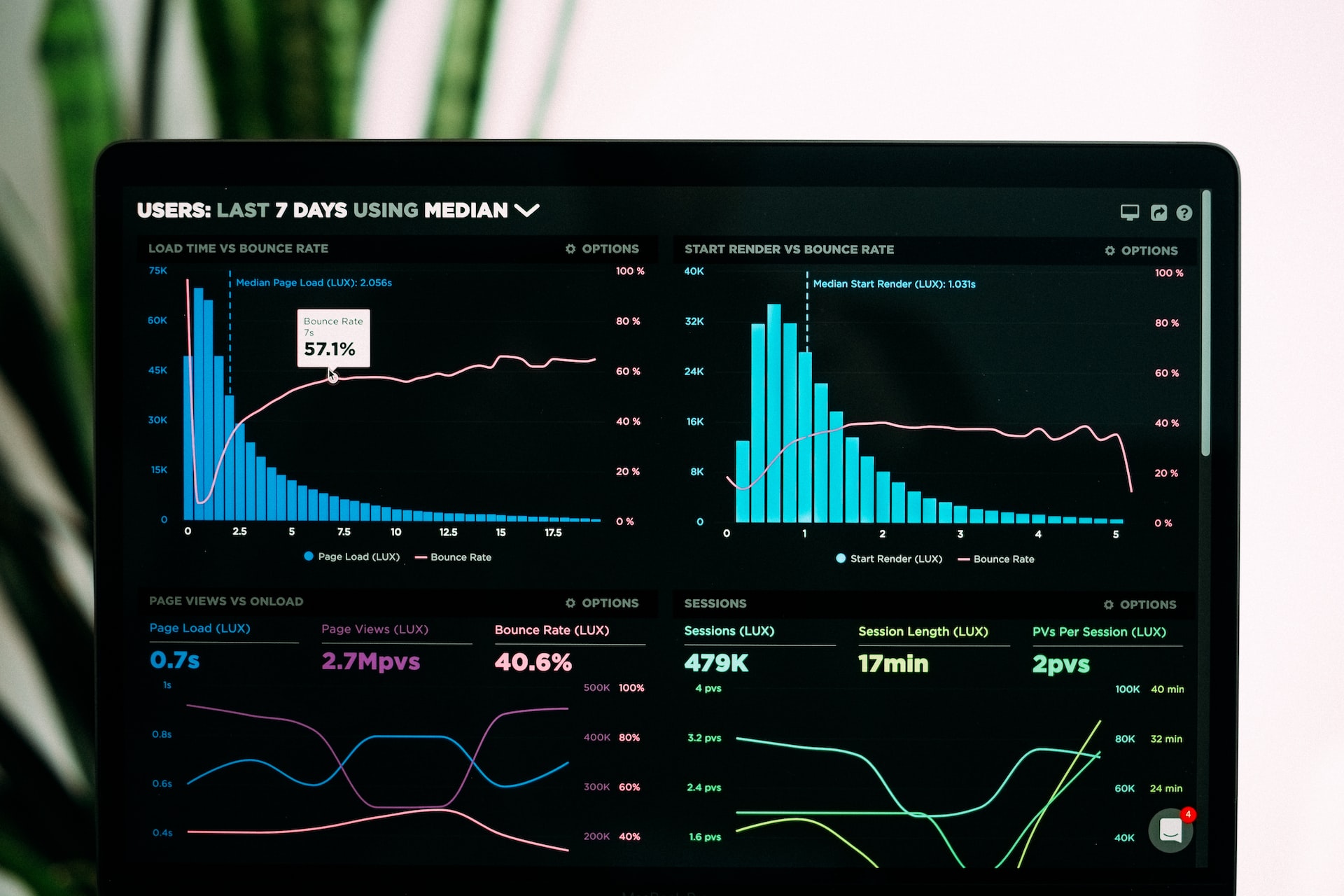
How can you use data, insights and business analytics to make strategic decisions? This article will help you to understand data-driven strategic management (DDSM).
Using data and analytics to make business decisions is the next big step in management. Understand the concept of business analytics, what it is, how it works and how to get started.
We explain KPIs, incl. differences, and share a list of over 200+ KPIs for every department and occasion. Measuring the right Performance Indicators can help you better manage your company, and using KPIs is the basis for data-driven decision-making.
We explain data-driven decision-making (DDDM) and why it matters for executives. Understand how to start using data for strategic decisions and outperform your competition with the right insights.
Traditionally, knowledge is hoarded by some employees in many companies. Knowledge is regarded as a private asset instead of being shared. Yet sharing information with colleagues also helps your career. This article provides an overview of how employees can be motivated to share information.
Building Information Modelling are the words behind this acronym and describe the creation of visual models which carry the information to be shared. Here stands the key of its definition; visualisation with information built-in to be part of a collaborative project.
Construction & Building Industry•Tequma AG••5 minutes
In the wake of the Corona pandemic, the importance of digital channels for companies has grown once again. Content management systems (CMS) offer support for the creation and distribution of content for these channels. They can be used in a variety of ways and have long been in use not only for websites, but also for blogs, online stores, social media, etc. CMS offer companies and their users many advantages if they meet the specific requirements and needs of the company. Dominik Angerer, co-founder and CEO of Storyblok, explains what is important when choosing the right enterprise CMS.
Data volumes in companies are growing and the number of data silos in the company is constantly increasing. In order to be able to provide employees with the right information at all times, more and more companies are turning to internal search engines. Often, however, the idea of concrete use cases is missing in order to recognize the added value in one's own company. Reason enough to look at various use cases in this article.
The phrase "data is the new oil" is floating around every organization and across industries. The value of data has become the focus of many C-Level executives and Senior Managers and since then companies started collecting as much data as they can. Nevertheless, it's not only about collecting and structuring data, but also about visualization and interpreting data to support fact-based decision-making.
The growth of data has never been faster than it is today. Technologies have never developed faster than now. Added to this are new working models through New Work, which demand new access to and handling of knowledge and data from companies and employees.
Virtually overnight, the "analog" virus Corona is turning the classic working world upside down: home office is suddenly running like an assembly line, or as others say: "going viral". Not only the health of employees must be at the top of the agenda, but also the integrity of information worth protecting. Because this "analog" virus also serves as a backdoor for its digital cousins. The article explains how companies can protect themselves against cyberattacks in Corona times.