ISO standards such as ISO 9001 and ISO 14001 are among the most popular management systems for companies worldwide. With the ISO 56000 family, the International Organization of Standards is currently introducing a new series for innovation management. This article explains the components of the standard, the benefits for companies, and the innovation management systems guide ISO 56002, which is at the heart of this series.
"Never let a good crisis go to waste." This sentence, addressed by former Chief of Staff Rahm Emanuel to then U.S. President Barack Obama, makes it clear that crises are not only a threat, but also offer special opportunities. Crises can expose weaknesses in companies that were not visible in good times or whose elimination was not important. A sense of urgency is created to address large and small change processes. Changes in markets and customer needs also create new opportunities for growth. Unique opportunities arise to make targeted investments in the future.
The example of GKB shows well that a digital transformation is only successful if it is accompanied by a cultural transformation. GKB is the pioneer of digital transformation in the industry. And this is no coincidence. Rather, through a systematic development of leadership and culture, the bank has developed a commitment, trust and change capability that now enables it to implement digitalization at speed. This also shows that for successful digitization, no cultural measures can take effect as fringe or superficial ad hoc actions. Rather, digitization is only successful if it takes into account the deep structures of the company and goes beneath the surface. It is also important to strengthen the digital skills of employees. If all this happens, the digital transformation will quickly become a success. However, all companies that quickly "buy in" to a cultural transformation on the surface or with a few measures will not have this success. The decisive factor is a process of authentic transformation and the right cultural mindset in the company.
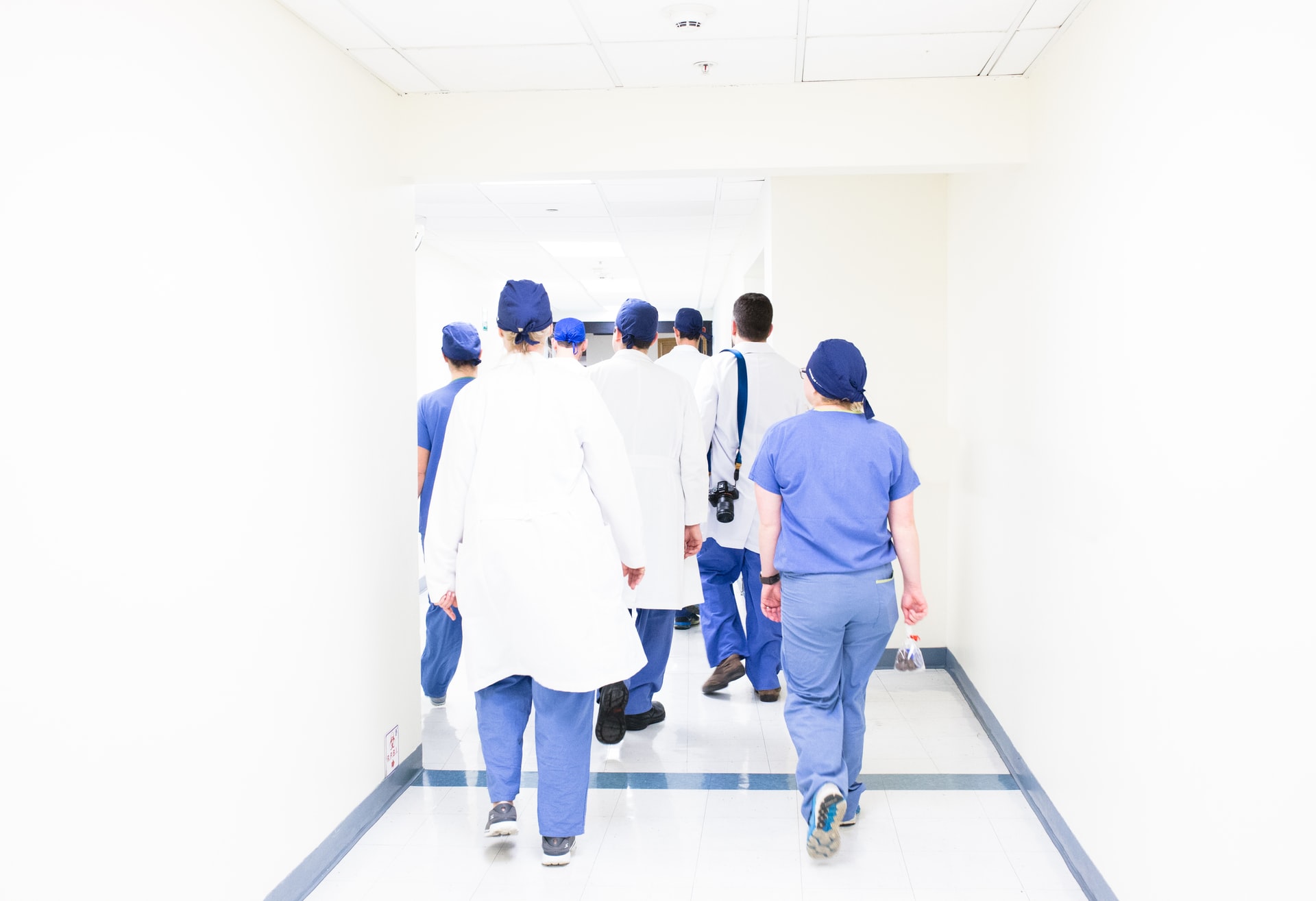
Figures show that the health sector is facing a dramatic shortage of care in the coming years and decades, which endangers the well-being of people. In order to recruit new staff and retain existing staff, improvements in working conditions are necessary, especially in nursing.
This is the second article in the series dealing with the topic of the great transformation. I have already explained in detail in the first article that this is a large subject area that goes far beyond currently frequently discussed topics such as digital transformation, work 2.0, home office work and New Work.
In this article, I now propose a process that I consider meaningful and promising for harmonizing your company or organization as well as possible with the challenges of our time in the purpose of a location determination and realignment. This dynamic process, which is not to be understood as a concept or model, has the goal of promoting a more holistic way of thinking, which ultimately also leads to new types of structures, processes and an image of man that is better suited to the demands of our time. In my view, this is long overdue, because time is pressing, new approaches are required, and untapped potential that has been overlooked so far should be uncovered and utilized.
This is about competencies. These are things that we do - demonstrably and observably - and how. So it's about learning, and learning by example is particularly stimulating. If we learn from others, the probability increases that we can also do something or at least tackle it. Therefore: let's learn from the approach of startups. The most important, because agile and out-of-the-box, techniques we can copy for our company and thus gain a bit of agility and new shores.
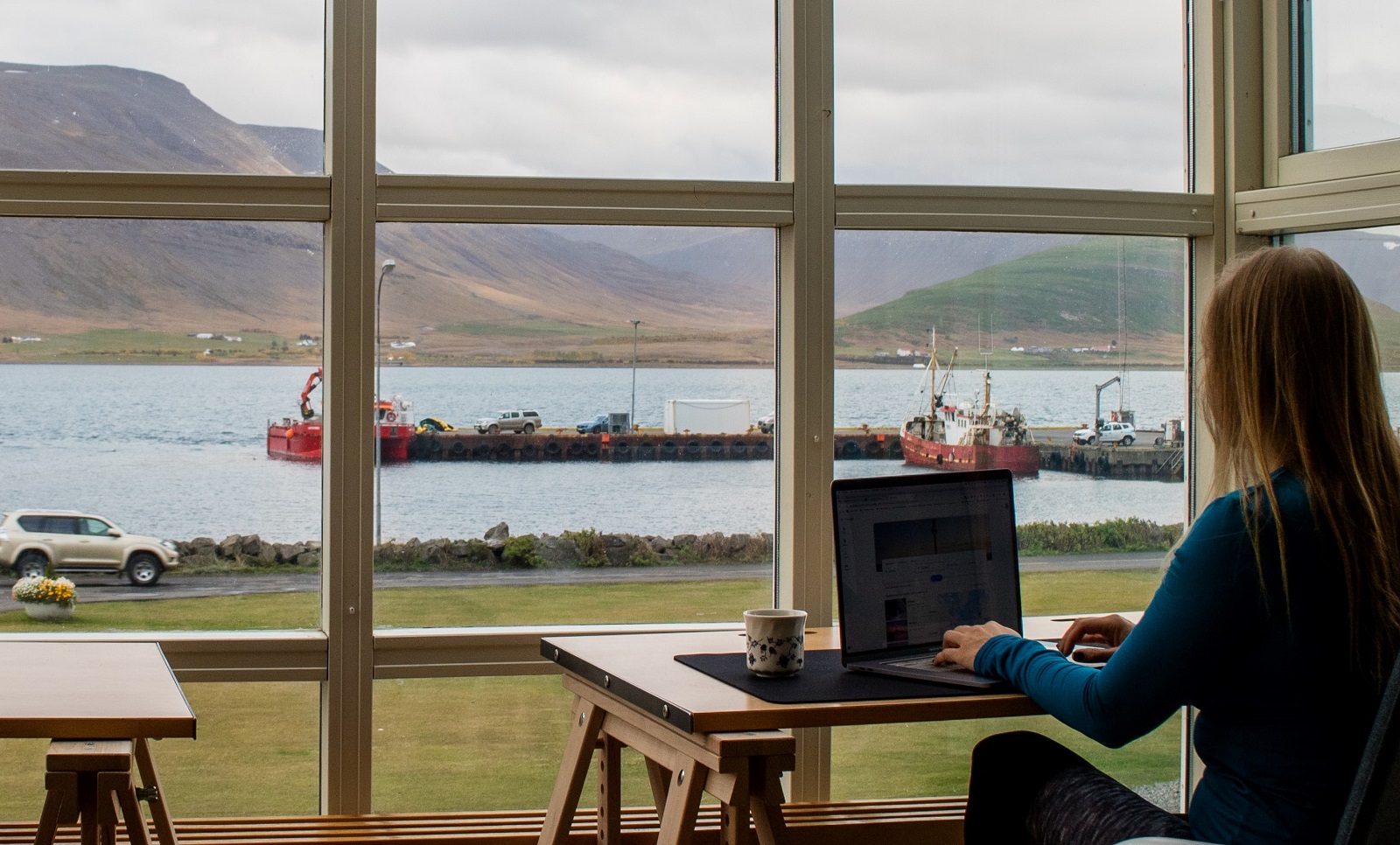
Especially in the wake of the Corona pandemic, more and more companies are organizing themselves independently of location. To grow sustainably in this structure and build a team, there are some aspects to consider. Dominik Angerer, co-founder and CEO of Storyblok, a tech company that operates completely remotely, explains what matters in remote work.
Companies need a vision, a mission and the corresponding strategy to make society and the environment better. This should always have been the case. But now it is assumed by customers.
That's why it makes sense in marketing to use the terms "vision", "mission", "strategy" or even ... "purpose" as a clear semantic convention. It is important what comes out at the end - namely the irrefutable positioning of a brand - but to clarify an optimal process within a collaboration in the brand team, it is important to have a clear understanding of the terms.
After leading virtual or decentralized teams comes the new challenge for post-pandemic leaders: hybrid leadership. The last two years have shown that home office is a construct that can work. And that more workplaces are suitable for it than thought. But how will this affect the world of work in 2022? Will everyone return? Hybrid we become the model of the future.
Digital transformation - for good reason, since companies have understood that this is not just a trendy topic, but an absolute necessity in order to survive in the market in the future.
Constantly reacting to changes is exhausting. If the next change begins before the previous one has really been completed, things can get very bumpy. Here you will learn how to use the retrospective tool to stabilize situations, optimize processes and get back on track.