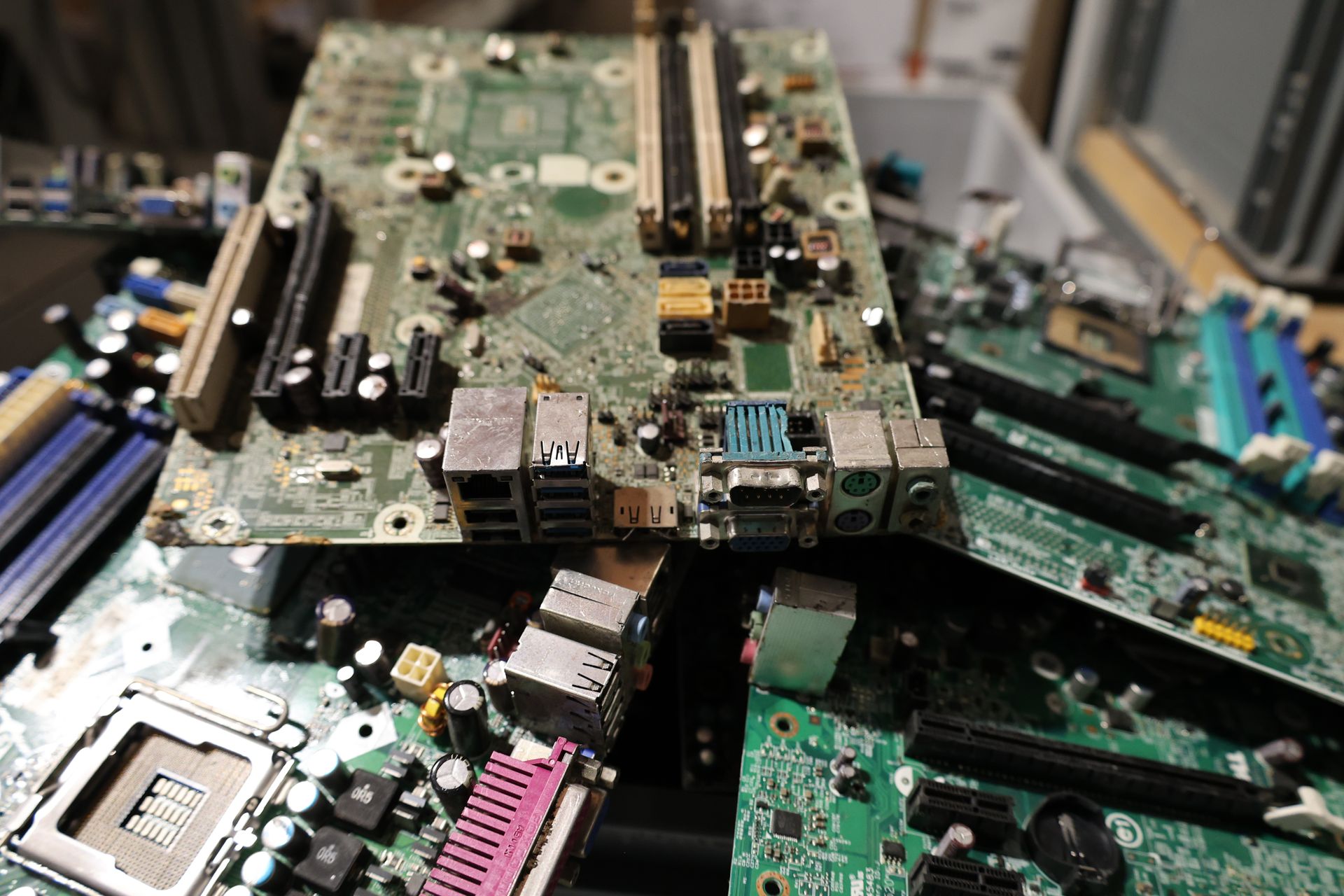
A clear look at the problem of electronic waste. This includes how big the problem is, the new rules that are being created to deal with it, the solutions that affect the whole system, and the technologies that will help Europe get its raw materials back.
AI rarely fails in companies because of technical issues. It fails because of people who are afraid, don’t know what they’re allowed to do, and are fundamentally suspicious of change. As a behavior architect, Wolfgang Gehrer explains the five barriers that truly stand in the way of AI projects
AI systems like ChatGPT, Gemini, and Perplexity are fundamentally changing how we discover and perceive brand messages. In addition to issues of machine readability, content formats that list and evaluate product features and functions are becoming increasingly relevant. For this reason, some are now arguing that the brand no longer matters. They claim that the new currency is the product’s hard facts—that is, its functions and features. The article examines GEO and the rational decisions made by AI in relation to brand perception. It answers the question of why emotional brand management is more important than ever.
Does your company have a LinkedIn page, but still have fewer than 1,000 followers? Until now, it has been difficult for B2B SMEs to gain visibility on Germany’s leading B2B platform. This is partly due to internal missteps, such as poor content and a lack of strategy. But the LinkedIn algorithm was also to blame. Organic company content is rarely displayed in the feed. This post by LinkedIn B2B expert Simone Brett-Murati shows how SMEs with products that require explanation can benefit from the new LinkedIn algorithm in 2026.
AI adoption is accelerating, but 87% of leaders say AI vulnerabilities are the fastest-growing cybersecurity risk. Yet only 22% of organizations have written AI usage policies. Here are five strategic questions every CEO should ask before signing off on their next AI deployment
Tokenization is rapidly transforming capital markets by bringing real-world assets such as real estate onto blockchain infrastructure. As regulation, institutional adoption and market infrastructure converge, a regulated ecosystem for digital securities is emerging across Europe - with Germany playing a leading role through frameworks like the eWpG. This article explores why 2026 may mark the breakout phase for tokenized assets and what it means for investors, issuers and financial markets.
This white paper argues that Advisor Effectiveness Coaching (AEC) is a practical way to transition from product-push sales toward genuinely client-centric advice. Based on the GROW coaching model, it describes a structured programme spanning preparation, a senior-level kick-off, ongoing 1:1 and team coaching, and a “living phase” to sustain momentum. Team leaders serve as the key lever, acting as both coachee and coach to cascade change across the advisory organisation, while AI frees advisors for higher-value conversations. The paper concludes with a phased call to action – pilot, measure, and scale – with the goal of transforming advisors into trusted, augmented wealth partners.
From 2026, the Cyber Resilience Act will determine whether digital products are still marketable. It is not technology, but rather a lack of evidence, processes, and responsibilities that will pose a risk—especially for small and medium-sized enterprises. Cybersecurity will become a mandatory management task.
Digital services are supposed to make our lives easier – and they do. But with every simplification, knowledge is lost. Why the boundless convenience of technology makes us lazy and how we can use it more responsibly again.
The NIS2 Directive will affect around 29,500 companies in Germany from 2026, including many SMEs. In future, management will bear personal responsibility for information security, risk management, and business continuity. Fines can be up to €10 million or 2 percent of turnover.
Core obligations include the introduction of an ISMS (e.g., ISO 27001 or VdS 10000), the systematic anchoring of risk management and business continuity, and compliance with incident reporting requirements (24 hours, 72 hours, 1 month). In addition, companies must take into account overlaps with the GDPR, the Supply Chain Act, and the Cyber Resilience Act.
Conclusion: NIS2 is not purely an IT issue, but a matter for top management. Acting early strengthens security, resilience, and trust in the supply chain.