How do you get from the idea to your own app, which you can use successfully for your company? What should you already take into account during the idea generation and conception? Here are some insights on how to get started with your own app idea.
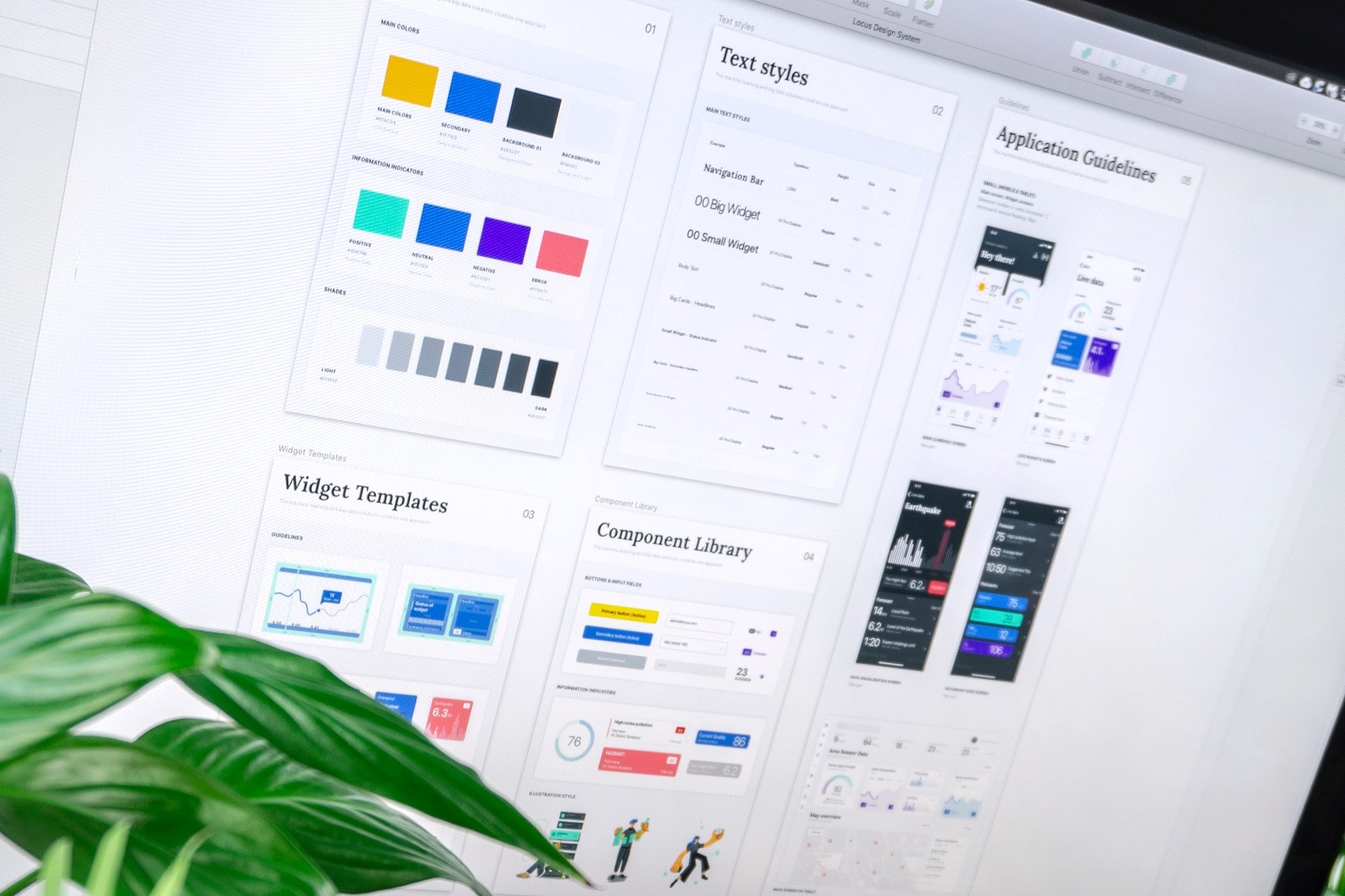
Design systems enable teams to design and develop better digital products faster. Why? Because reusing well-defined styles applied to components and patterns provides scalability and consistency. However, the main value of a design system is in supporting close teamwork and spreading the company's values and principles across the team, which also translates into clear benefits for the user.
With the metaverse, we are facing a shift that will change business models just as much as the Internet has in recent decades. Anyone who dismisses it as hype for gamers and nerds is closing their eyes to the advantages of early participation.
A good idea is just the first step in creating innovative offerings. To turn them into a successful offering not only requires supporting functionalities and services, but also an evolving and transforming delivery organization. By including these thoughts into the definition of the 'Maximum Viable Offering', some of the surprises on the road to the market can be avoided.
Any business wants to spend its marketing dollars wisely. Creating campaigns that are general in nature likely won’t deliver high revenue. Instead, you want to target as precisely as possible based on your customers’ buying activities. We can all agree that consumer behavior patterns are shifting and changing. Many things impact these patterns, both internally and externally. The last year-plus shifted the consumer base tremendously. For example, 75 percent of consumers tried new brands and different ways of shopping since the beginning of the pandemic. Consumer behavior is a “live” data set, and deriving insights from it needs to happen quickly, so you can pivot to align with current motivations.
One of the most expensive mistakes that companies do when working on their branding is that they treat branding only as a prettifier of the company. Branding should help you reach your company goals in revenue, user acquisition, market expansion or whatever they may be. It should help you communicate best with your audience in order to reach those goals. As such, the process is not quite so straightforward.
Tldr: Improving brands means improving service systems.
Products are becoming more and more similar. The competition is getting bigger and bigger. The demand is finite. Most markets today are predatory markets. Even in new markets, consolidation through displacement takes place quite quickly, as currently shown by the fierce competition in the e-scooter segment, for example.
Service is the real differentiation factor, which is why we choose products and repeat purchases. Service shows the company's attitude, how it really promises to meet customer needs.
We should understand marketing as a moment of truth in every customer contact, as an attitude that the brand has a decisive influence on the feelings, thoughts and actions of our customers, users, referrers, fans and consumers.
A product without service design is not a product. Service is what makes a product come alive. Service makes the attitude in a product tangible. Service makes a brand successful.
Does the internet's liquid communication change the social discourse for better or worse? Digital media narratives and gamification give orientation, create identification and generate change processes. Content-based gamification is a great chance for companies to promote innovation and increase commitment through business narratives.